
Caitie - they/she
Lived Experience Practitioner
-
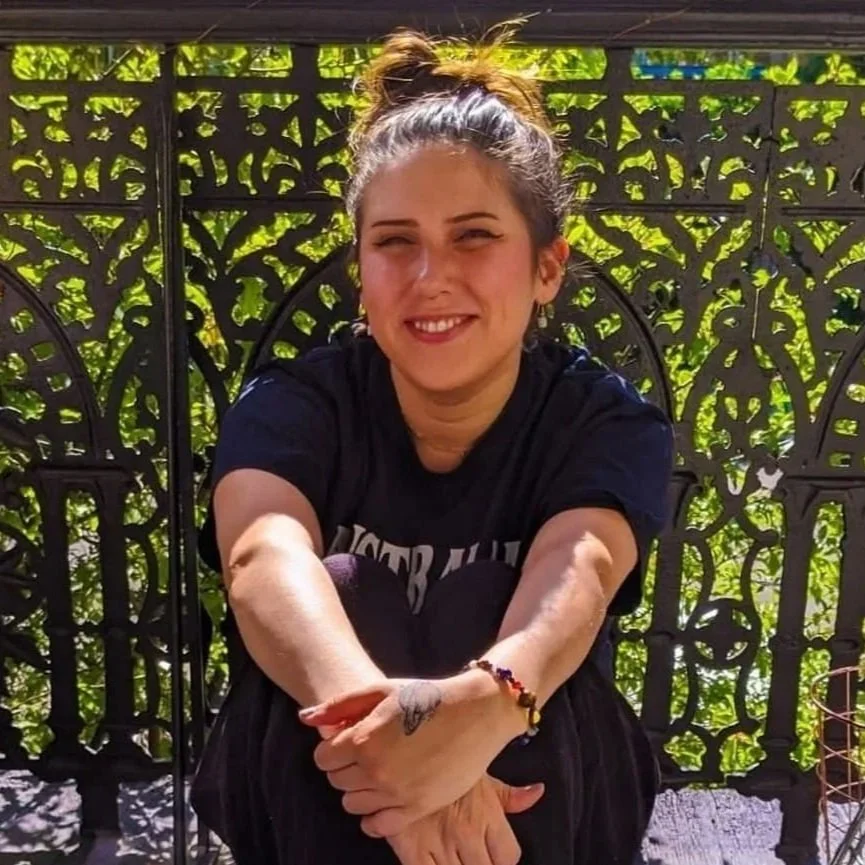
Caitie primarily works with people who find themselves in the margins, including those navigating biracial and multicultural identity experiences, bisexual, pansexual, and asexual identities, and gender fluidity. They also support people who are exploring LGBTQIA+ identities and gender/sexuality questioning, as well as those questioning if they might be neurodivergent or exploring self-diagnosis. Caitie's practice includes survivors of abuse and trauma, individuals living with chronic illness and pain, those reconnecting with their Indigenous culture, people impacted by colonial systemic barriers, and they prioritise creating accessible mental health support for the Latinx diaspora (acknowledging their own diasporic experience and disconnection from Spanish due to the forced Americanisation of Boricuas). Caitie also supports anyone experiencing suicidal ideation, family estrangement or complex grief, including suicide grief and loss.
-
In session, you can expect a warm, authentic, and deeply affirming space where you don't have to perform or mask. Caitie’s approach is from a peer support and lived experience framework, believing that everyone is the expert of their own life journey. Sessions are built on the foundation of solidarity, mutuality, and shared understanding, where you can bring your whole self.
You'll find a safe container for complex feelings and experiences. Caitie creates an environment where you can fall apart if you need to, be vulnerable, and explore your experiences without the pressure of having it all figured out. Want to show up in your pyjamas? Go for it. - just let them know! They are open to any accomodations you may need.
Drawing from decolonial values and a commitment to accessible support outside oppressive systems, sessions focus on what actually serves you in the moment. Caitie is flexible and open to different modalities of expression, whether that's through talking, music, art, writing, or whatever feels most authentic to you in the moment.
Caitie does not subscribe to narratives of forced forgiveness or healing. They understand that sometimes the most supportive thing is to just sit with what's real in this moment. They also believe it's important to acknowledge current events and how they might be impacting you, creating space to process the world around us. As someone with lived experience, Caitie approaches sessions as a connection between two peers journeying together - not as an expert with all the answers, but as a fellow human who values genuine connection and solidarity. Their approach honours that we all express ourselves differently and that support comes in many forms.
-
Outside of Therapy Shmerapy, Caitie enjoys gaming (especially indie games - open to suggestions!) listening to music, singing, writing, finding a new TV series and going to the movies (they really love horror - did you know horror media can be used as a tool for trauma survivors?), relaxing at the beach, spending time with their partner and cat, and taking a good nap.
-
Abuse - Cyber, emotional, financial, physical, sexual.
Anxiety - Agoraphobia.
Autism - Self-diagnosis.
Biracial - Irish & Boricua.
Chronic Illness and Pain - Dysautonomia, Endometriosis, PCOS, going through diagnostic procedures.
C-PTSD - Chronic invalidation, derealisation, dissociation, intergenerational trauma, flashbacks, sexual abuse
Depression
Family Estrangement
LGBTQIA+ issues - Bisexuality, gender fluidity, Two-spirit
Latinx Diasporia - Boricua born and raised on Lenapehoking Land (New York).
Psychiatric Hospitalisation - Pathologisation of trauma.
Reconnecting with Indigenous Culture
Suicidal Ideation
Suicide Grief and Loss
Systemic Colonial Barriers
*A part of Caitie’s lived experience is complex trauma and autistic traits, Caitie may not make eye contact and may speak in a flat tone at times. This is not an indication of disinterest or apathy, just their affect. They encourage peers to let them know if this communication style makes them feel unheard.
-
Bachelor of Interdisciplinary Studies: Psychology & Music
Intentional Peer Support Core Training
Alternatives to Suicide (Alt2Su) When Conversations Turn to Suicide Training
SANE Australia Peer Guide Program Certificate
-
Caitie is available on Wednesday and Friday afternoons and evenings. Weekends are available upon request.
-
We can invoice anyone who is self-managed or plan managed.
Sessions with Caitie can be funded under the following NDIS items:
Therapeutic Supports - Therapy - Other Professional - Telehealth, Item Number: 15_056_0128_1_3_TH
Community Participation Activities, Item Number: 09_011_0125_6_3
The pricing regardless of which item number you access is $90 for 30mins, $140 for 50mins, $200 for 80mins
These can be booked online, or you can email us directly at info@therapyshmerapy.com.au to book these.